Zadar's real advantage over the better known Croatian cities is position. It sits roughly halfway up the coast with two national parks inland, two more within reach, and an archipelago of nearly a hundred islands directly in front of it. From Dubrovnik a day trip means four hours in a coach and a border. From here the longest of these is two hours each way and most are considerably less.
What follows is the honest version: what each day involves, how long it really takes, and whether it is worth the car.
Krka: the one to do if you only do one
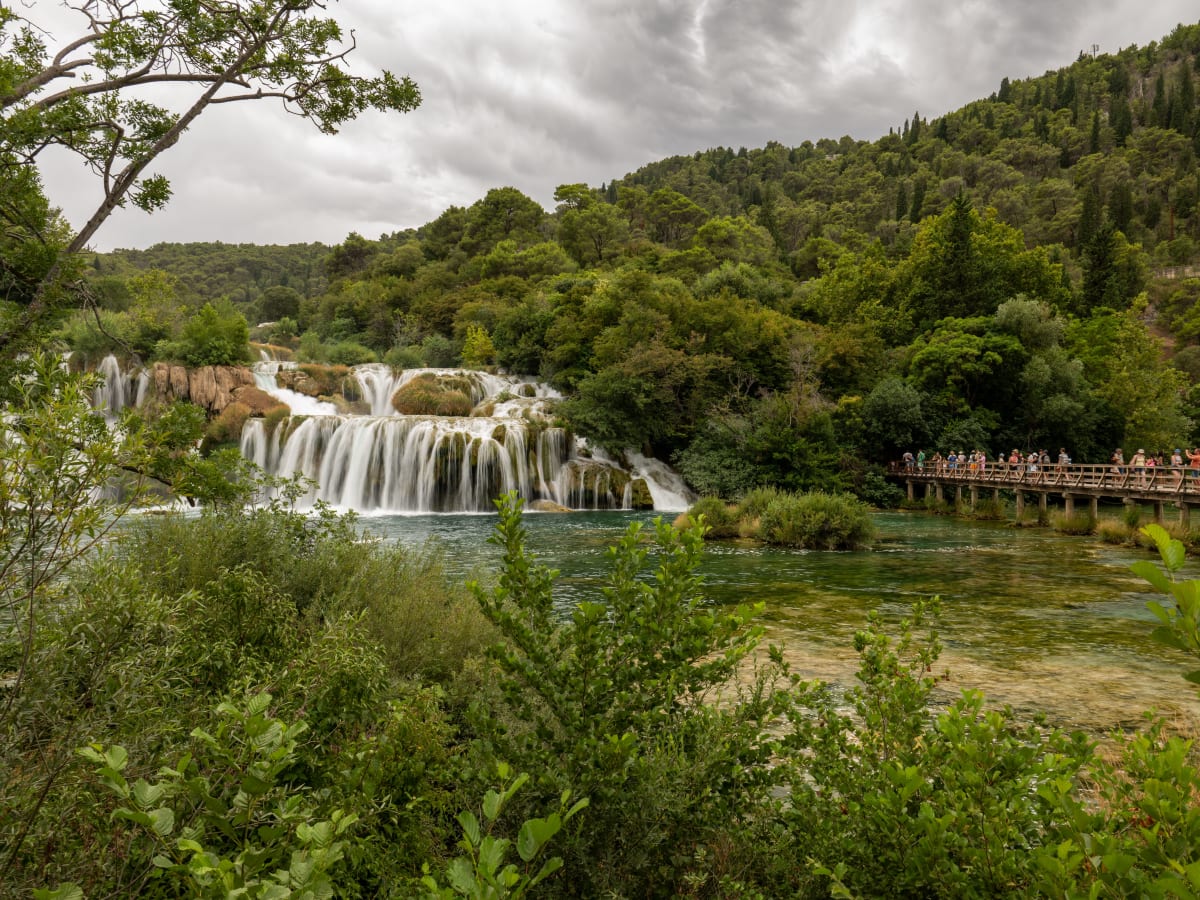
Krka national park is about an hour inland along the motorway, and it is the waterfall day that suits people who do not want to spend the whole day walking. The falls at Skradinski buk are a set of wide travertine cascades reached by a boardwalk loop of a couple of kilometres, and the walk is flat, shaded in stretches and manageable with children.
Two things to know. Swimming below the main falls has been banned for several years now, whatever an older article tells you, so come for the water rather than to get into it. And the park operates entry quotas in high season with timed tickets, so a July arrival without a ticket can be turned away or given a slot three hours later. Buy ahead.
The approach through Skradin, arriving by boat, is the pleasant way in and the one that makes the day feel like a trip rather than a car park. Allow six hours door to door at a relaxed pace.
Plitvice: the famous one, and the long one

Plitvice lakes are about two hours inland, which makes this the longest day on the list and the one that most rewards an early start. Sixteen terraced lakes joined by waterfalls, linked by wooden boardwalks that run right at the surface of the water, with a shuttle bus and an electric boat covering the parts you would not want to walk.
It is a national park with visitor numbers to match. The difference between a queue and a walk is arriving at opening or, better, in May or late September rather than August. Tickets are timed and sell out in high season. Wear shoes you can walk five kilometres in, and take a rain layer, because it is inland and higher than the coast and the weather does not consult the forecast for Zadar.
If you have to choose between Krka and Plitvice, choose Krka for a shorter day with young children and Plitvice if the walking is the point.
The Kornati and Telascica by boat
The Kornati archipelago is the day trip that belongs to Zadar rather than to Croatia generally: eighty-odd bare limestone islands in a national park, most of them uninhabited, with almost no soil and no fresh water. Boats leave from the city and run a long day, usually taking in Telascica bay on Dugi otok as well, where the cliffs drop a hundred and fifty metres on the seaward side and a salt lake sits behind the shore.
Expect twelve hours, lunch on board, at least two swim stops, and a lot of open water. It is the best day out here in settled weather and a poor one in a strong bura, when the boats either stay in or make everyone regret it. Book through an agency counter in town if the forecast is uncertain; they know which operators cancel and which push on.
Nin: half a day, and the easiest of the lot
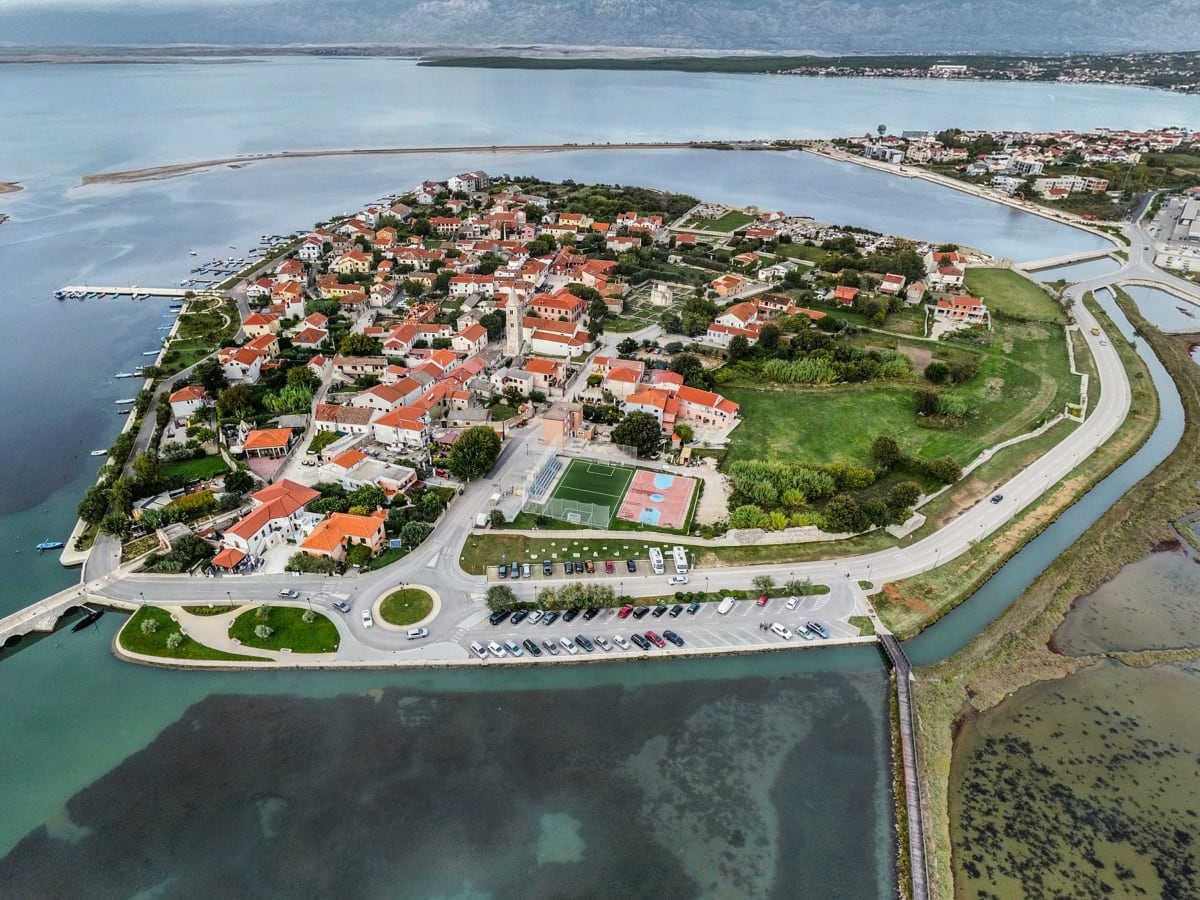
Nin is fifteen kilometres north west and takes half an hour, which makes it the one to do when you do not want a whole day gone. A small walled town on its own island in a shallow lagoon, reached by two stone bridges, with a ninth century church so small it is called the smallest cathedral in the world, and salt pans behind it that are still harvested by hand.
The beach is the other reason to come. Queen's Beach runs about three kilometres of genuine sand, unusual on a coast that is otherwise pebble, and the lagoon is so shallow that a hundred metre walk still leaves the water at your waist. There is medicinal peloid mud at one end that people dry on their skin in the sun before rinsing it off.
Half a day covers the town and the salt works. A full day covers those and the beach.
Paklenica: the mountains, an hour away
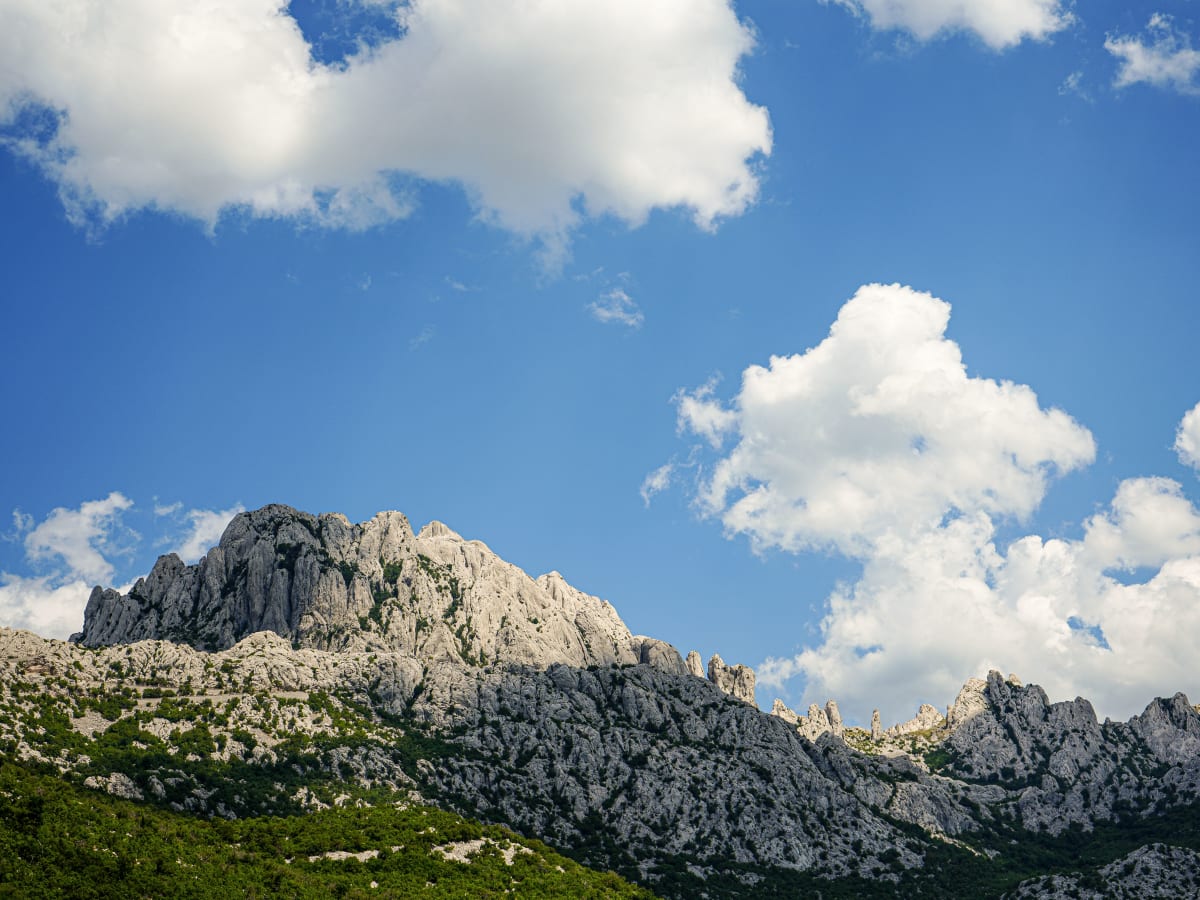
Paklenica is the third national park in reach, about an hour north on the way to the Velebit range, and it is the one for people who want to walk rather than look. Two limestone gorges cut back into the mountain, Velika and Mala Paklenica, with a trail up the big one that anyone reasonably fit can do in a few hours and rock faces that draw climbers from all over Europe.
Do it in spring or autumn. In July the gorge holds heat like an oven, and the walk that is pleasant in May becomes an endurance exercise. Take more water than you think and start early.
Sibenik, and the coast south
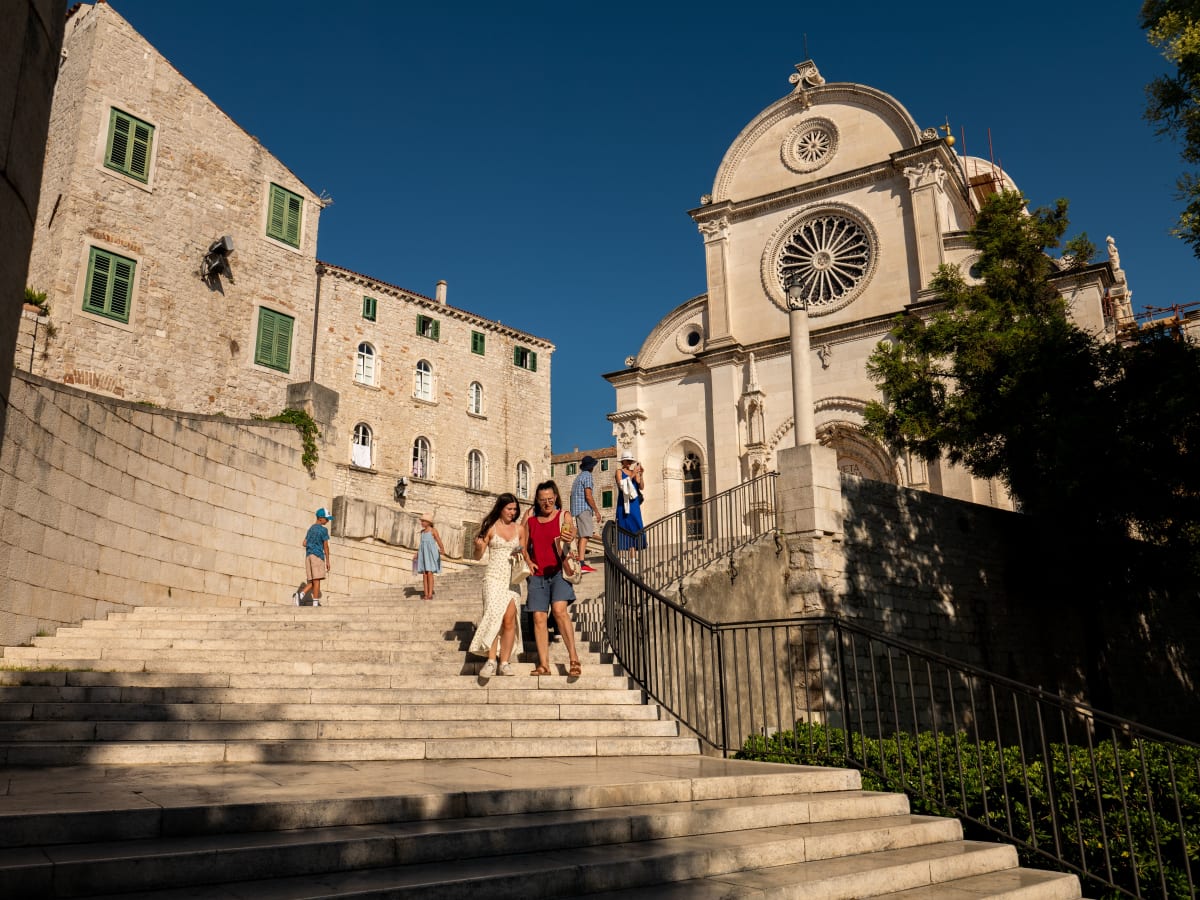
Sibenik is an hour and a quarter south and gets overlooked because it is not on the standard tourist circuit, which is precisely the argument for going. A steep medieval town of stone lanes and stairs rising from the water, with a cathedral built entirely of stone, no brick and no timber, that carries a frieze of seventy-odd carved heads of ordinary fifteenth century citizens around the outside. Four fortresses stand above the town, one of them now an open-air venue with a view down the whole channel.
It pairs naturally with Krka, since the park sits between the two, and the combination makes a full and unhurried day.
The islands, close in
Not everything needs to be a national park. Ugljan is twenty minutes from Zadar as a foot passenger on a public ferry, and a bicycle and a timetable turn it into a cheap and quiet day: olive groves, small harbours and a Venetian fort above Preko with a view back at the city. Dugi otok takes longer but delivers Sakarun, a long pale bay with water the colour of a brochure.
These are public boats on public timetables rather than excursions, which means they cost a few euros and run whether or not anyone books.
Tours & Day Trips in Zadar
Boat trips, day tours and skip-the-line tickets around the city and the islands, via GetYourGuide.

Krka Waterfalls Day Trip
An hour inland to the travertine cascades at Skradinski buk, with the boat approach and a guide.
Check availability
Plitvice Lakes Day Trip With a Guide
The long day: two hours to the lakes, boardwalks at the waterline, the shuttle and the boat.
Check availability
Kornati and Telascica by Boat
Full day through the national park archipelago, with Telascica bay and swim stops.
Check availabilityWhich of these needs a car
Krka, Plitvice, Paklenica and Sibenik are all easier with a car and all reachable without one, either on a bus or with an agency minibus. Nin is a short drive or a local bus. The Kornati and the islands are boats, so a car sits in a car park all day.
The practical answer for most weeks is to hire for two or three days in the middle of the trip rather than for the whole stay, because a car in Zadar itself is a liability: the Old Town is pedestrian and the lots outside it are charged by zone and full by mid morning in August. You can compare live rental prices for the dates you actually need it.
If you would rather not drive at all, the agency counters in town sell all of these as guided days with transport, which for Plitvice in particular removes the two hours of motorway from your own hands.
A sensible week
For a first visit with five or six days: one national park day inland, one boat day to the Kornati, a half day at Nin, one day given entirely to the Old Town, and the rest spent swimming and eating. That leaves Plitvice or Paklenica for a return trip, which is the honest way to plan a coast that has more within two hours of it than most countries manage in total.
Getting there without your own car
Not every day here needs a hire car, and three of these are genuinely easy without one.
By bus. The intercity network out of Zadar is good by Croatian standards. Sibenik is served frequently and takes an hour and a half, Nin has a local service, and there are seasonal buses to the Krka gate at Skradin and to Plitvice on the inland route. Buy at the station rather than online, and check the last return of the day before you commit to the outbound, because a two hourly service in July becomes a two a day service in November.
By agency minibus. The counters in town sell Krka, Plitvice, Paklenica and the Kornati as guided days with transport included. For Plitvice in particular this is the sensible option: two hours of motorway each way, in a vehicle you are not driving, with the ticket already bought and the timed entry already booked.
By boat. The Kornati and the islands are boats by definition, and a car spends the day in a car park.
Timing the season
The national parks are a different proposition in different months. May and late September are the sweet spot: the water at Krka is high, the walking is comfortable, and the queues are shorter than the photographs suggest. July and August bring timed entry quotas, full car parks by mid morning and heat that makes the Paklenica gorge genuinely unpleasant.
October is underrated for Plitvice, when the beech woods turn and the crowds have gone, though the boardwalks are slippery and the days are short. Winter closes some park facilities and thins the bus timetables, but Krka in January with nobody in it is a real experience.
For the Kornati the season is narrower, because the excursion boats mostly run from May to October and the number of departures drops sharply either side of high summer.


